Guides
A guide is a one-page answer that settles one practical question about building or running AI agents, such as what graph engineering is and when a team should use it. Neomanex writes each guide, shows when it was last updated and publishes a plain-text copy that AI assistants can quote.
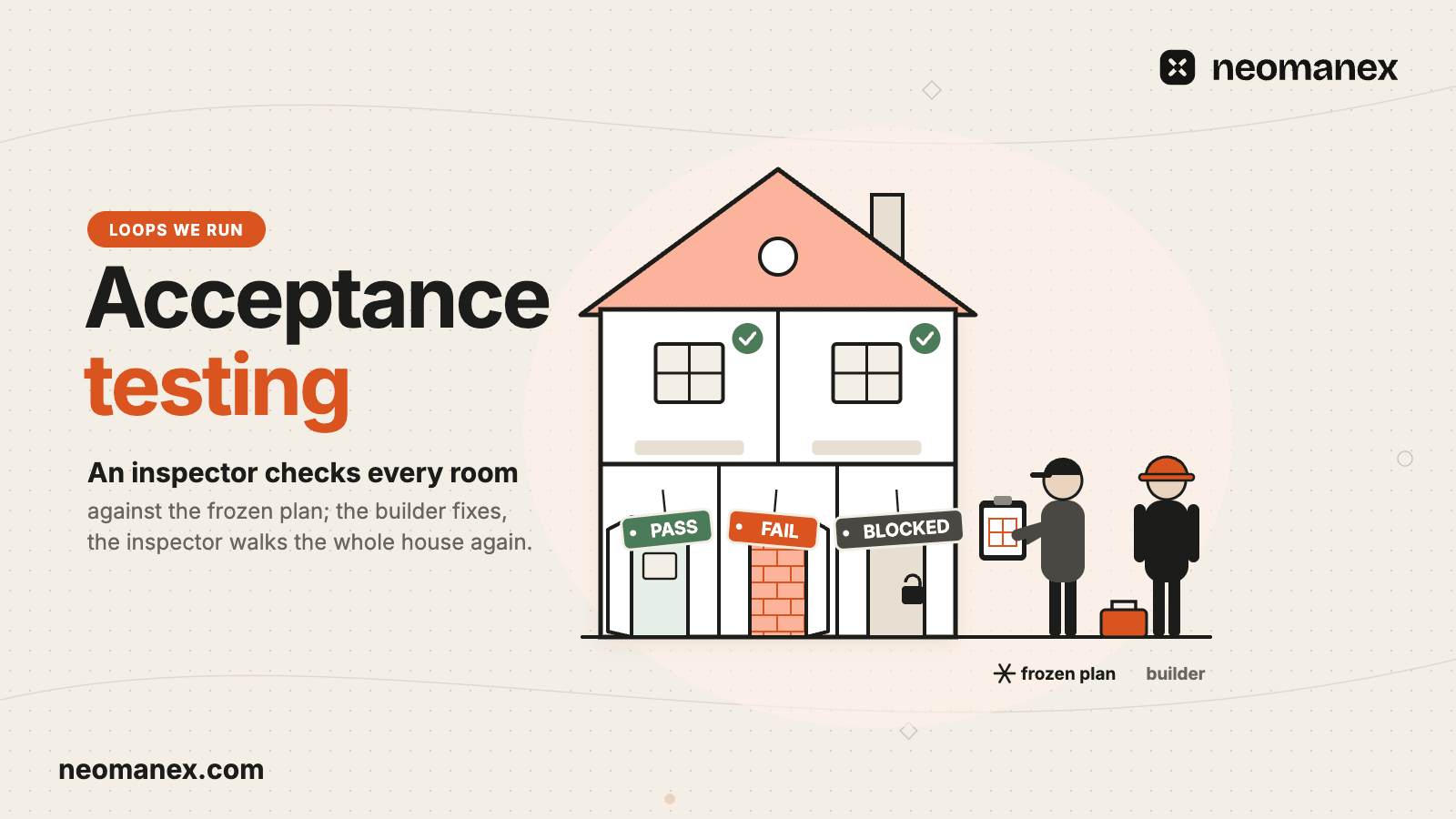
Intermediate · 13 min · Updated Oct 12, 2026
Read guide

Intermediate · 27 min · Updated Oct 12, 2026
Read guide
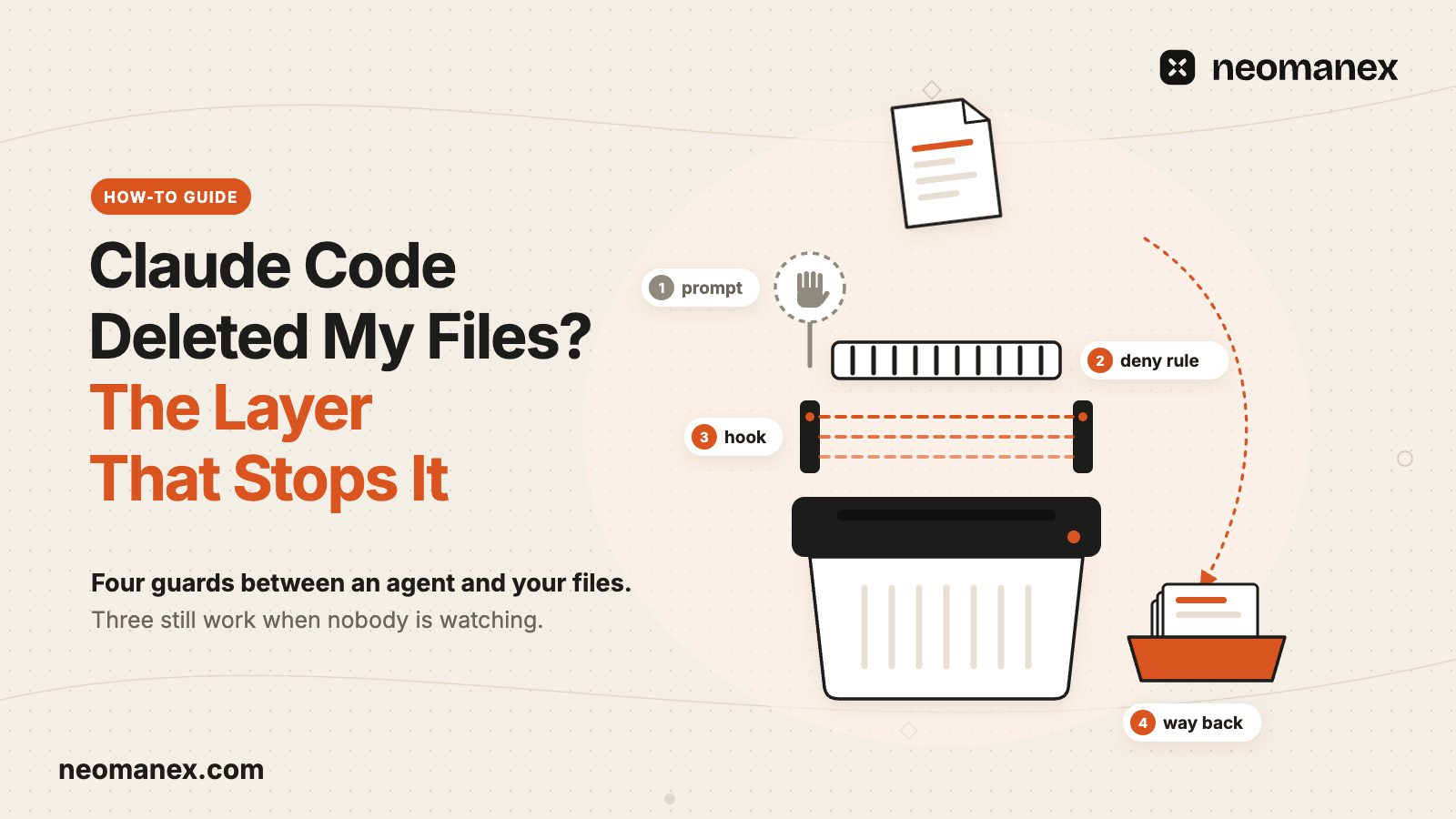
Beginner · 30 min · Updated Oct 10, 2026
Read guide

Beginner · 10 min · Updated Oct 10, 2026
Read guide

Beginner · 9 min · Updated Oct 12, 2026
Read guide

Intermediate · 14 min · Updated Oct 12, 2026
Read guide
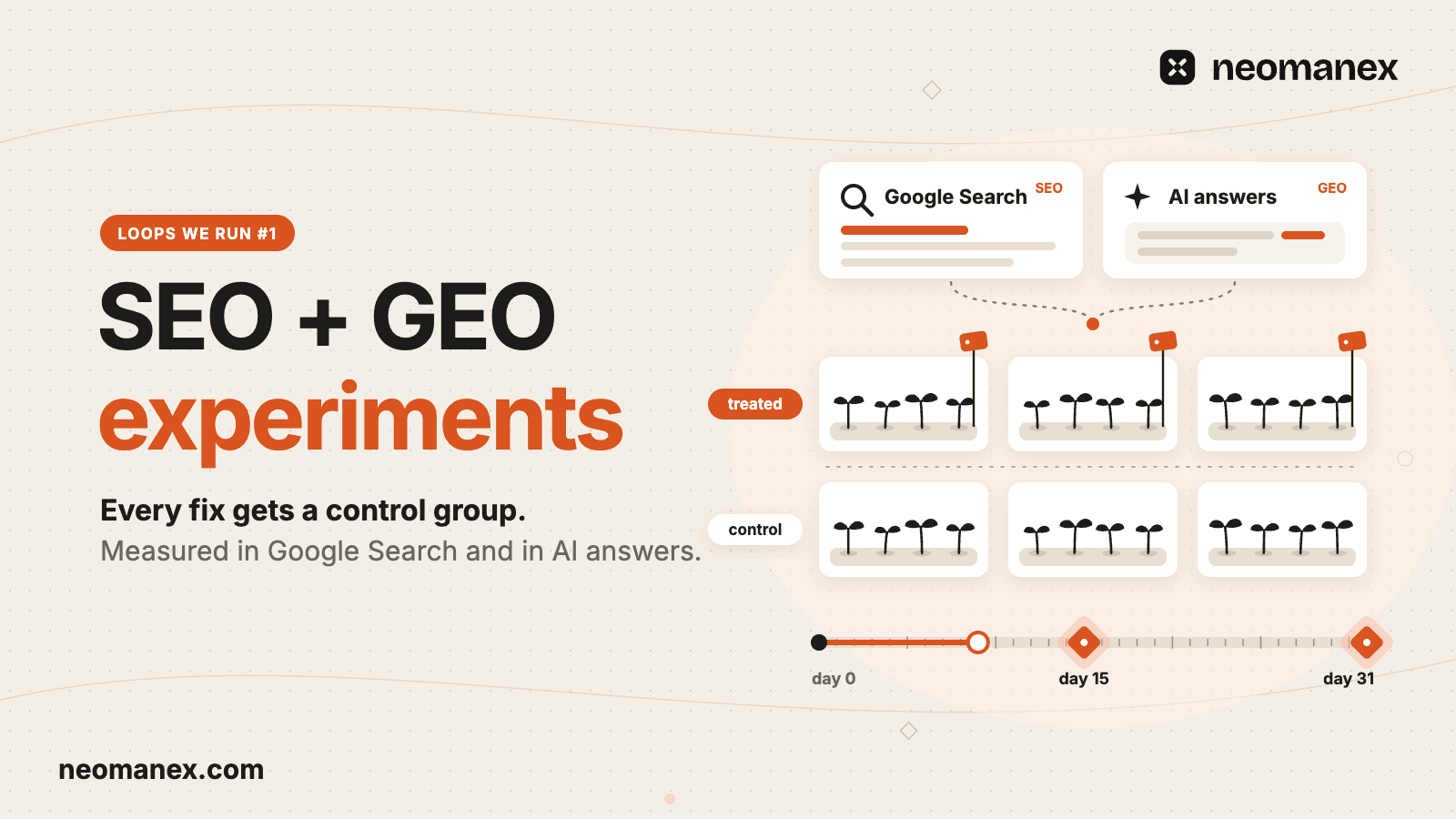
Intermediate · 12 min · Updated Oct 10, 2026
Read guide

Intermediate · 8 min · Updated Oct 10, 2026
Read guide
Questions about these guides
What is on this page and how do I choose?
This page lists every guide Neomanex has published, newest first. Each guide answers one question about building or running AI agents. Each card shows the level, the reading time and the date of the last update. Start with the guide whose title matches the question you have today. Pick a beginner guide if agents are new to you, and an advanced guide if you already run agents in production.
Who are the Neomanex guides for?
Neomanex writes the guides for people who build and run AI agents at work, such as developers, product managers and team leads. Each guide answers one practical question on a single page. The reader leaves with one decision or one change to apply to their own agents. Reading a guide needs no account and no payment.
How is a guide different from a course?
A Neomanex guide is one page that answers one question, and anyone can read it in a few minutes without signing in. A course is a sequence of lessons with quizzes, and tracking your progress through it needs an account. When a course covers the same topic in depth, the guide page links to that course after the guide text.
How do I know a guide is still current?
Check the date on the guide card, or in the facts panel beside the guide text. Neomanex shows the date each guide was published and, after any later change, the date of the last update. Some guides also show a last verified date and a note on what changed. A guide with no update date has not changed since it was published.
Which languages are the guides in?
Neomanex writes each guide in English and can translate it into Spanish, Portuguese, French and German. When a guide has a translation in the language you browse in, the guide page shows it. When it has none yet, the page shows the English text with a notice that says so. The steps and the questions of a guide are translated together with its text.
What is llms.txt, and can an AI assistant read these guides?
llms.txt is a plain-text file at the root of a website that lists the pages an AI assistant should read. The Neomanex llms.txt lists every published guide with links to the page and to its markdown copy. Each guide also has a plain markdown copy at its address with .md added at the end, and this list of guides has one at /learn/guides.md. An assistant can quote a guide from that copy without loading the web page.